We're in 2026. The great RTO experiment has been running for over a year.
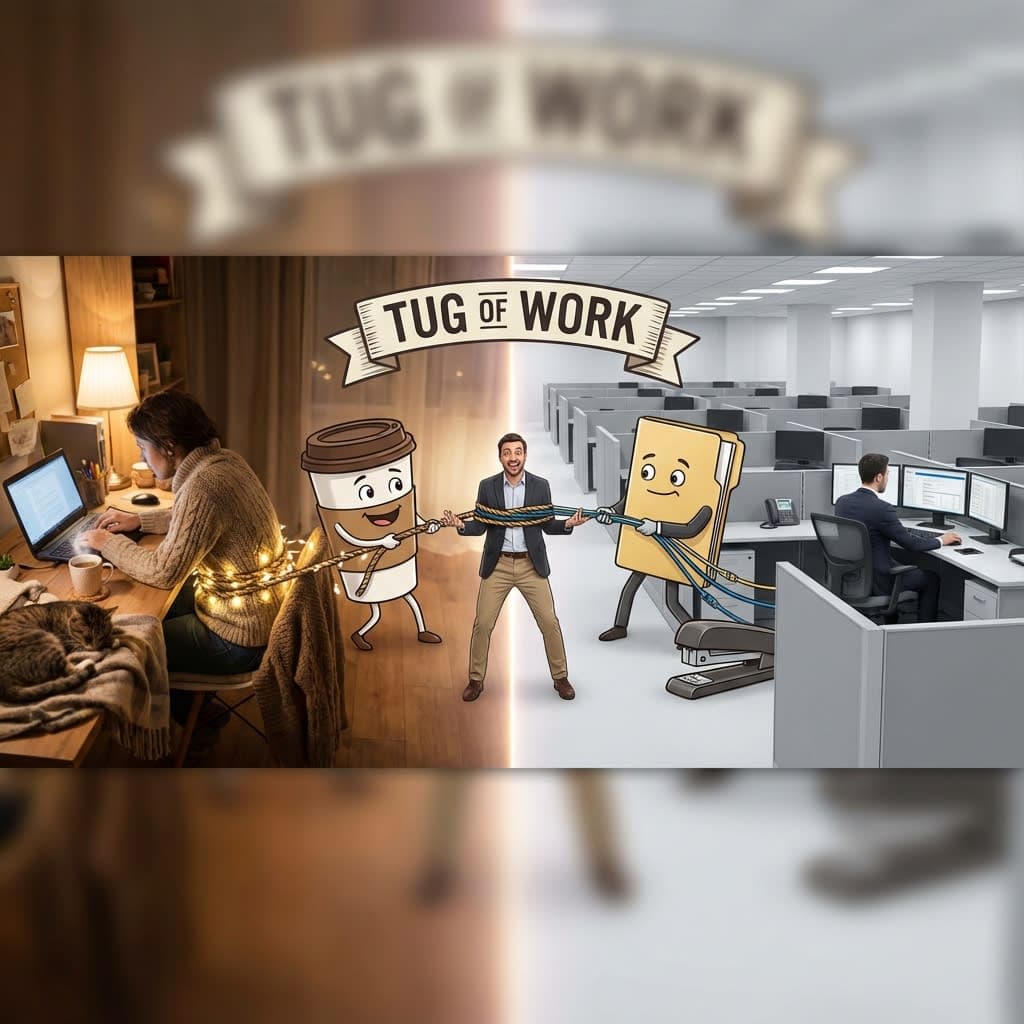
Can we finally talk about what's actually happening? 🏢🏠
📊 The Current Landscape
| Company Type | Policy | Vibe |
|---|---|---|
| Big Tech (Amazon, Meta) | 5 days mandated | "We paid for these buildings" |
| Startups | Mostly remote | "We can't afford offices anyway" |
| Mid-size | Hybrid 2-3 days | "Please just stop complaining" |
| Government/Banks | Always in-person | Nothing changed |
Did you know? Amazon's RTO mandate reportedly caused thousands of employees to resign rather than return. Some teams lost 30%+ of their senior engineers. Expensive buildings, indeed.
🏠 The Remote Work Argument
Remote workers say:
- "I save 2 hours of commute daily—that's 10 hours a week of my LIFE"
- "I'm more productive without open office interruptions"
- "I can live somewhere affordable and keep my salary"
- "My work-life balance is actually... balanced?"
The data: Multiple studies show remote workers are equally or MORE productive for focused work. The collaboration argument is real but mostly affects brainstorming, not execution.
🏢 The Office Argument
Office advocates say:
- "Spontaneous collaboration! Water cooler moments!"
- "Culture is built in person"
- "Junior employees learn by osmosis"
- "I can actually tell if you're working"
The honest version: "We signed a 10-year lease before COVID and the CFO is panicking."
(Okay, that's cynical. But also... not wrong for some companies?) (Narrator: This is the reason for approximately 68% of RTO mandates.)
🎭 What I've Actually Observed
The Hybrid Illusion
Most "hybrid" policies mean you come to the office to... sit on video calls with the people who aren't in that day.
Peak absurdity: commuting 45 minutes to sit in a conference room on Zoom with the same people you could have Zoomed from home. But now with a worse microphone and a blinking fluorescent light.
The Productivity Theater
Some managers need to SEE you working to believe you're working.
This was always true, but remote work exposed it. If your value is measured by "butt in seat hours," you might have a management problem.
The Two-Track System
Companies with strict RTO are losing talent to companies with flexible policies. A quiet migration is happening.
Did you know? Job postings mentioning "remote" get 3x more applications than in-person equivalents. The leverage is still with workers—for now.
🤔 My Take
I've done both. Here's my honest opinion:
Best parts of remote:
- Deep work is 10x easier
- No commute = better mental health
- Async communication forces clarity
Best parts of office:
- Building relationships (real ones, not Slack emoji reactions)
- Faster decision-making for complex problems
- Separation between "work" and "home"
The ideal (for me): 2 days in office for collaboration, 3 days remote for execution.
But I also recognize I'm in a privileged position. Not everyone has a quiet home office. Not everyone's job can be done remotely.
🎯 The Bottom Line
There's no winning side. The "debate" is mostly corporate posturing and culture wars.
The companies that will thrive are the ones that:
- Trust their employees (novel concept)
- Measure output, not attendance
- Provide flexibility within structure
The companies that mandate arbitrary policies without listening to their people?
They'll keep losing talent to competitors who figured it out.
It's 2026. We've had enough time to learn. Let's act like it. 🏠🏢