I woke up to a notification that made me spit out my coffee.
Pavel Durov, the founder of Telegram, got arrested in France. 🇫🇷
Not for jaywalking. Not for tax evasion (though that's usually how they get you).
He was arrested for allegedly refusing to moderate content on his platform.
The "move fast and break things" era just collided at high speed with the "we have laws here, sir" reality of the European Union. And the airbags didn't deploy.
🛫 The Arrest: A Tech Bro Reality Check
Picture the scene:
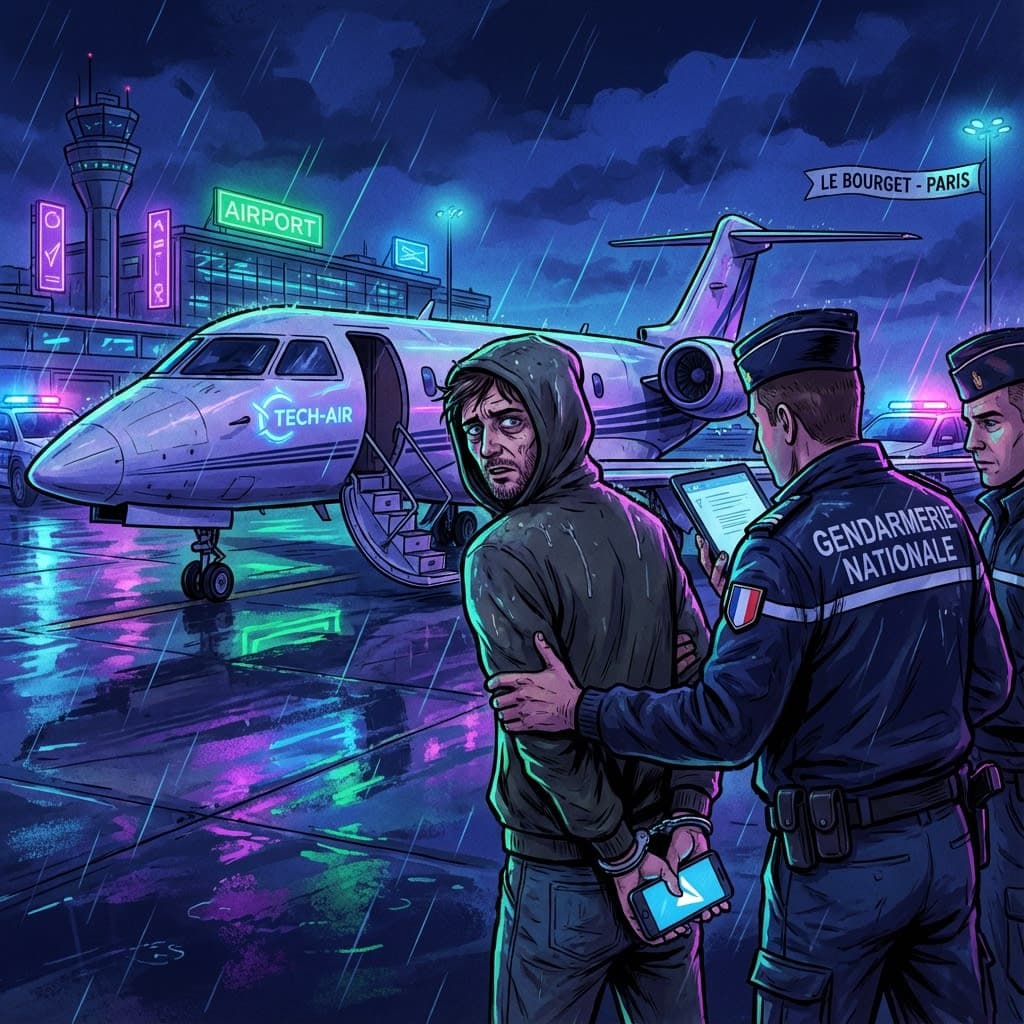
Durov lands his private jet at Le Bourget airport near Paris. He's reportedly coming for dinner. He holds French citizenship (among others). He probably thinks he's untouchable because, well, billionaires usually are.
Instead of a chauffeur, French authorities were waiting for him.
The warrant wasn't for his direct actions. It was for what was happening on his app:
- Drug trafficking
- Fraud
- Child exploitation
- Organized crime coordination
The French government argued: "If you build a house, invite criminals in, lock the doors so police can't enter, and ignore requests to stop the crimes, you are complicit."
Durov's defense has always been: "I just built the house. What people do inside isn't my business."
That argument works in Silicon Valley. It works less well in a French interrogation room.
🔐 The Encryption Dilemma (It's Complicated)
Here's the uncomfortable truth nobody wants to say out loud because it makes us look like bad libertarians:
Telegram isn't even fully encrypted by default.
Unlike Signal or WhatsApp, Telegram's default chats are NOT end-to-end encrypted. They are stored on Telegram's servers. Which means Telegram could theoretically read them. Which means they could theoretically moderate them.
Did you know? Most "crypto bros" and privacy advocates engaging in "secure" chats on Telegram are actually sending plaintext data to a server in Dubai. If Durov gave up the keys, that data is visible. Signal doesn't have keys to give. There's a difference.
⚔️ The Double-Edged Sword of Privacy
I believe in privacy. I believe governments shouldn't read our messages.
But Telegram has become the de facto operating system for:
- Freedom fighters: Organizing protests in Iran, Russia, and Belarus.
- Literal Nazis: Organizing... well, Nazi stuff.
- Drug Cartels: Running logistics that rival Amazon Prime.
You can't have "encryption that only works for good guys." That's not how math works.
(Narrator: He wished math worked that way. Math, regrettably, remains neutral.)
When you protect the dissident, you protect the dealer. That's the deal. Durov took the deal. Now France is asking for a refund.
🤷 The Tech Bro Blind Spot
Durov built Telegram as a privacy-first platform after his previous company, VKontakte (Russian Facebook), was essentially seized by the Kremlin because he wouldn't ban opposition groups.
He fled Russia to escape government overreach.
He moved to Dubai to avoid regulation.
He collected passports (including French) to ensure freedom of movement.
And now, the very passport he acquired for freedom is what gave France jurisdiction to arrest him.
The irony is so thick you could spread it on a baguette. 🥖
💭 What This Means for Developers (Yes, You)
If you're building anything with user-generated content (UGC), this matters.
-
"Neutral Platform" is Dead: The legal shield of Section 230 (in the US) and similar laws is cracking. Governments are moving toward "duty of care." You are responsible for your algo.
-
Jurisdiction Shopping Failed: You can put your servers in the cloud, but your body is in a country. If that country passes a law, "my code is decentralized" is not a legal defense.
-
Moderation is Mandatory: The EU's Digital Services Act (DSA) isn't a suggestion. It's a "comply or pay 6% of global revenue" threat.
-
The Apple/Google Stranglehold: Even if governments don't get you, the App Store will. Apple has threatened to boot Telegram multiple times for content issues. If you're off the App Store, you're dead.
🎯 My Take
I'm conflicted. Genuinely.
Part of me cheers: Tech CEOs shouldn't validly ignore laws just because they wrote code. If standard Oil CEOs can go to jail for pollution, tech CEOs can answer for digital pollution.
Part of me fears: This sets a terrifying precedent. If a founder is criminally liable for user actions, who will build open communication tools? Will Signal's Moxie Marlinspike be next? (Unlikely, Signal collects almost no data, but the fear is real.)
The answer isn't "cancel encryption" (dystopian). The answer isn't "lawless digital wild west" (dangerous).
The answer is probably messy, expensive human moderation and cooperation.
Durov tried to solve a human problem (crime vs. privacy) with a technical absolute (ignore everyone).
It didn't work.
The lawyers are in charge now. And they don't accept pull requests. ⚖️