SEO is about ranking on Google.
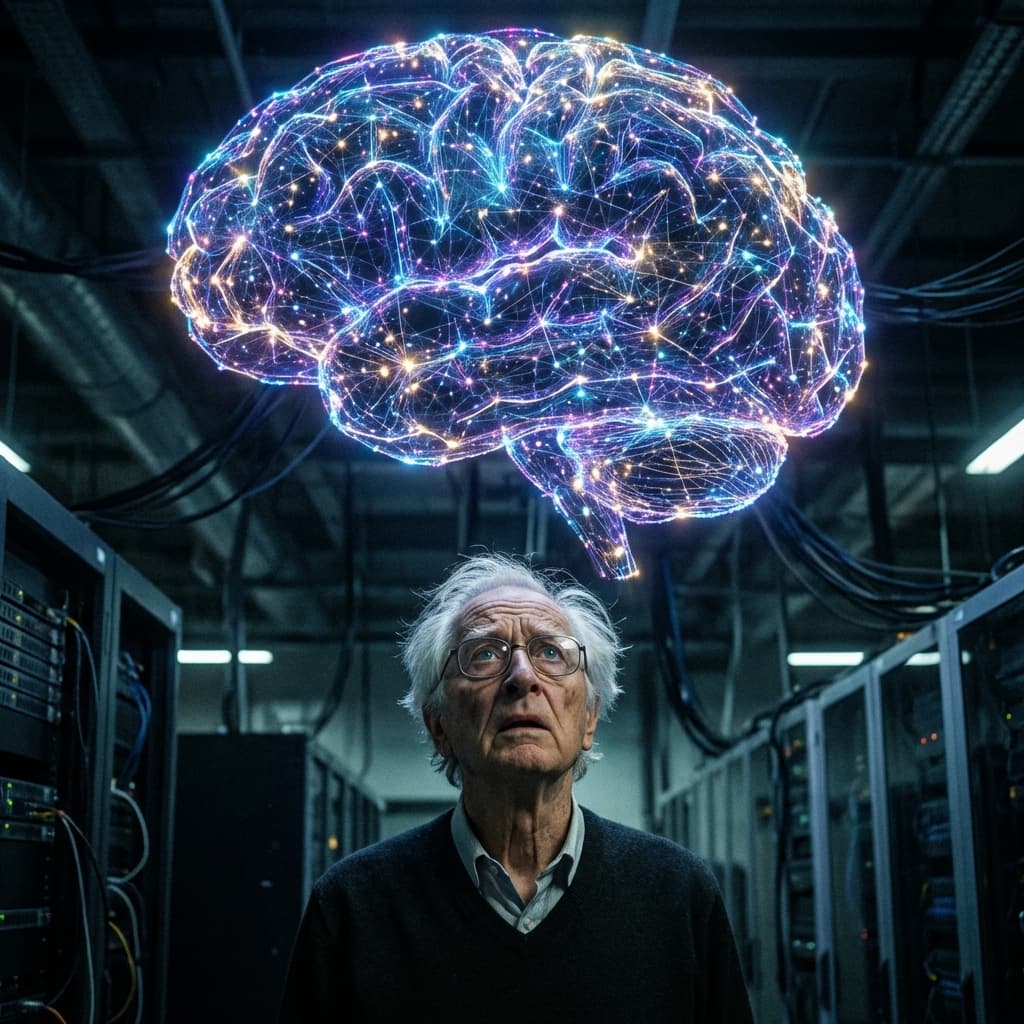
GEO—Generative Engine Optimization—is about getting cited by AI.
And if you're not thinking about this yet, you're already behind. 🤖
(Note: GEO doesn't replace SEO. They coexist. Think of SEO for Google and GEO for AI chatbots. You need both to survive in 2026.)
🔍 What is GEO?
When you ask ChatGPT "What's the best React framework?", it doesn't search Google and summarize results.
It generates an answer based on:
- Its training data
- Any real-time search it does (if enabled)
- Sources it considers "authoritative"
Did you know? Perplexity.ai sends tens of billions of queries to AI models monthly. These aren't Google searches—they're AI searches. And they're growing exponentially.
GEO is about making your content the kind that AI systems cite when answering questions in your niche.
📊 SEO vs GEO
| Factor | SEO (Google) | GEO (AI Systems) |
|---|---|---|
| Goal | Rank #1 in search | Get cited in AI responses |
| Signal | Backlinks, keywords, page speed | Authority, clarity, structure |
| Format | Long-form content | Concise, quotable answers |
| Discovery | Crawled by Googlebot | Crawled + embedded in training |
| Measurement | Search Console | ??? (early days) |
🧠 How AI Decides What to Cite
AI systems favor content that is:
1. Authoritative
Are you recognized as an expert? Do other authoritative sites link to you or mention you?
This is similar to SEO's "Domain Authority" but extends to whether the AI's training included your content as a reliable source.
2. Structured and Clear
AI loves:
- Clear headings
- Bullet points
- Tables
- Direct answers to questions
Fluffy intro paragraphs before getting to the point? AI skips those. (Narrator: He wrote fluffy intros for years. We all did.)
3. Unique and Original
If you're just paraphrasing what everyone else says, AI has no reason to cite YOU specifically.
Original research, unique takes, novel data—these get cited.
4. Technically Correct
AI systems increasingly cross-reference information. If your content contradicts authoritative sources, it won't get cited.
🛠️ Practical GEO Tactics
Write "AI-Friendly" Content
Structure your articles to answer specific questions clearly.
Instead of:
"React is a popular library that many developers use for building user interfaces..."
Write:
"React is a JavaScript library for building user interfaces, maintained by Meta. It uses a virtual DOM for efficient updates and supports component-based architecture."
The second version is quotable. AI can extract and cite it directly.
Get Into Training Data
This is the long game:
- Publish on platforms AI systems scrape (GitHub, Stack Overflow, Wikipedia)
- Get mentioned in authoritative publications
- Contribute to documentation
Did you know? Most LLMs are trained on Common Crawl, Wikipedia, GitHub, and Stack Overflow. If you're visible there, you're potentially in the training data.
Embrace Structured Data Even More
JSON-LD, schema markup, FAQ schema—all the SEO stuff applies doubly here.
AI systems that do real-time retrieval look at structured data to understand your content.
Answer Questions Directly
Start with the answer. Then explain.
Q: What is Generative Engine Optimization?
A: GEO is the practice of optimizing content to be cited by AI systems like ChatGPT and Perplexity.
This format is literally what AI is looking for.
📈 Why This Matters Now
Google search volume is declining for certain query types.
People are asking ChatGPT instead of Googling.
If your business depends on "being found," you need to be found by AI too.
Example: Someone asks Perplexity "What's the best portfolio framework?"
If it cites YOU, you just got a lead from an AI search. If it cites your competitor, they did.
🎯 The Bottom Line
SEO isn't dead. But it's not alone anymore.
GEO is emerging as a parallel discipline:
- Same goal (be discovered)
- Different mechanism (AI citation instead of search ranking)
- New strategies (quotability > keyword density)
The marketers who figure this out first will have a massive advantage.
The rest will wonder why their traffic is declining despite "good SEO."
Welcome to the future. It's generated. 🤖