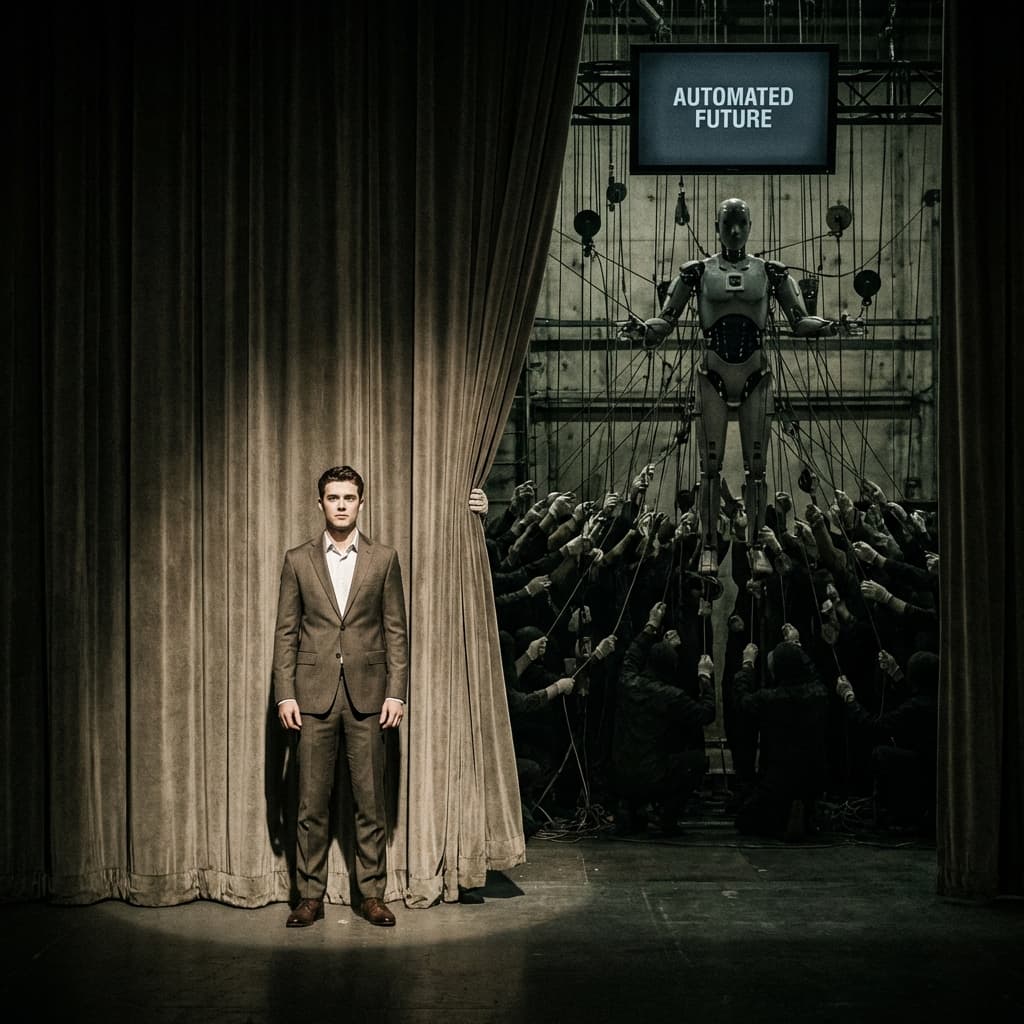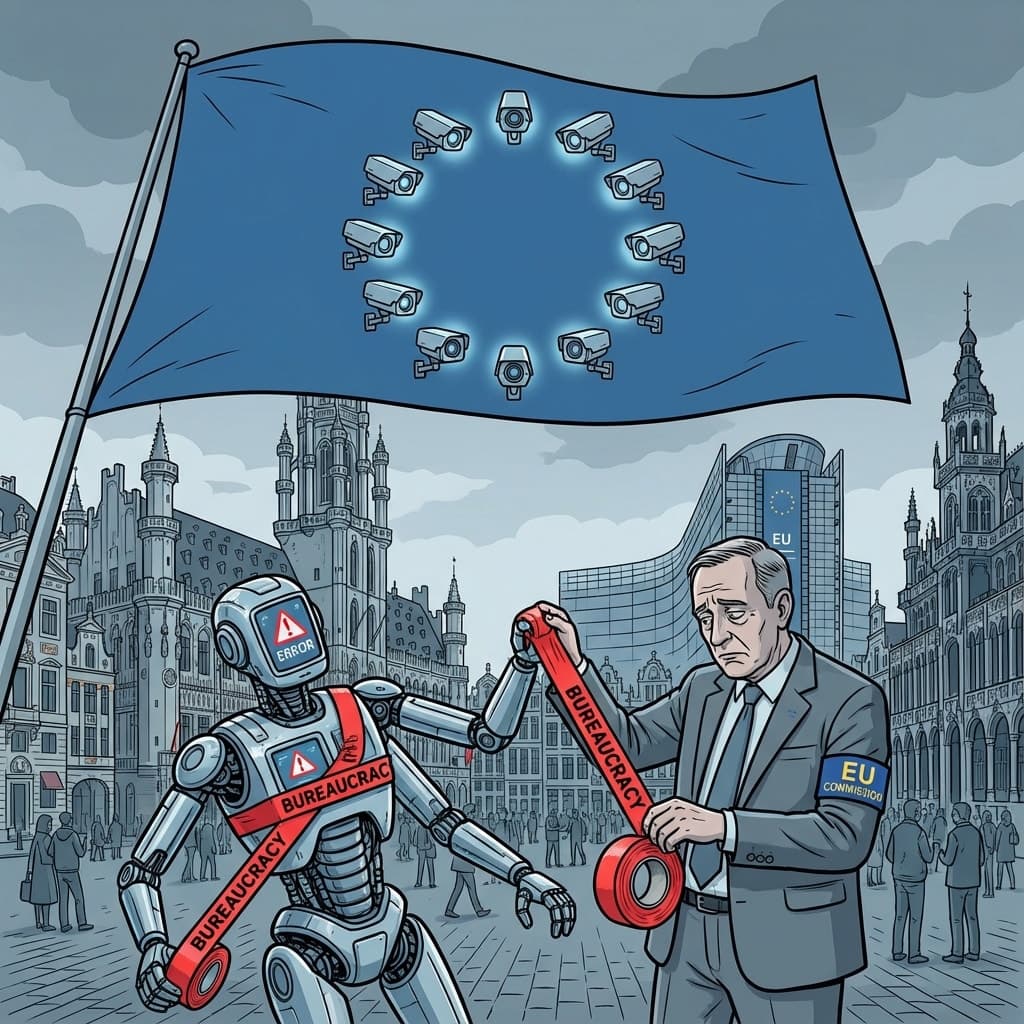
Europe loves three things:
- Good cheese.
- Long vacations.
- Regulating American tech companies.
Enter the EU AI Act. 🇪🇺
It's the first major law in the world to attempt to regulate Artificial Intelligence. It's ambitious. It's comprehensive. And it is confusing as hell.
🚦 The "Risk Pyramid" (Logic vs. Reality)
The Act categorizes AI into four buckets:
-
Unacceptable Risk (Banned): Social scoring systems (China style), biometric categorization, manipulative AI.
- Status: Illegal.
-
High Risk (Heavily Regulated): AI in hiring, medical devices, critical infrastructure, law enforcement.
- Status: Massive compliance paperwork required.
-
Limited Risk (Transparency): Chatbots, deepfakes.
- Status: You must tell people "Hi, I am a bot."
-
Minimal Risk: Spam filters, video games.
- Status: Do whatever.
The Compliance Nightmare: If you build a "General Purpose AI" (like GPT-4), where does it fit? It can be used for hiring (High Risk) or for writing poems (Minimal Risk).
The EU decided: "General Purpose AI needs its own rules."
Which rules? "Technical documentation," "Copyright compliance," and "Systemic risk assessment."
What does "Systemic risk assessment" look like for a chatbot? Nobody knows.
(Narrator: The answer is a 400-page PDF that nobody reads.)
🌍 The "Brussels Effect"
Why does this matter if you live in Ohio?
Because companies don't build two internets.
If Microsoft changes Windows to comply with the EU, they usually roll it out globally (see: GDPR).
The EU AI Act will likely set the global standard for AI safety features.
- Watermarking? Likely global.
- "I am a bot" disclosure? Likely global.
- Banning social scoring? Hopefully global.
Did you know? When the GDPR passed, everyone complained. Now, every website has a cookie banner. The EU exports regulation like France exports wine. You might not like the taste, but you're going to drink it.
💼 The Innovation vs. Regulation Fight
The Critics say: "This kills European startups. Mistral (France's OpenAI competitor) will drown in paperwork while US companies refuse to comply or just pay the fines."
The Supporters say: "We are preventing Skynet. We are protecting human rights. Innovation without guardrails is just chaos."
The Reality: Big companies (Google, Microsoft) love regulation. Why? Because they can afford the lawyers.
Regulation creates a "moat." If complying costs $10 million a year, a startup can't compete. The incumbents win.
💭 What This Means for Devs
If you're building AI apps:
- Disclosure: Always label AI content. It's likely legally required soon everywhere.
- Data Governance: Know what you trained on. "I scraped the internet lol" isn't a valid legal strategy anymore.
- Risk Layers: If your app denies someone a loan or a job, you are in the "High Risk" zone. Prepare for audits.
🎯 My Take
I make fun of bureaucracy, but... we probably need this.
We regulated cars (seatbelts). We regulated food (ingredients lists). We regulated medicine (clinical trials).
AI will decide who gets hired, who gets a loan, and possibly who gets targeted in a war.
Leaving that entirely to "the free market" (aka Sam Altman's conscience) seems... risky.
The implementation will be messy. The forms will be annoying.
But trying to put a seatbelt on a rocket ship is probably better than just letting it launch and hoping for the best.
Even if the seatbelt costs €35 million in compliance fees. 💶